


I spent time using Nordstrom as a shopping app rather than treating it like a simple digital version of a department-store shelf. My overall impression is that it works best when I already have a clear idea of what I want, but it can also be useful when I am comparing clothing, shoes, handbags, and related style choices from one place. It is a free shopping app from Nordstrom, Inc., aimed at Everyone, and its strong average rating of 4.8 from around 46 thousand ratings suggests that many shoppers find the experience dependable.
The important point is that free access does not automatically make every purchase a good value. The app costs nothing to install, but the products inside it are still retail purchases, so the real value depends on what you buy, how carefully you compare options, and whether the app saves you time. I found it most convincing as a tool for browsing a large fashion selection, narrowing down choices, and keeping the shopping process more organized than a casual mobile browser session.
How the Nordstrom app fits into everyday shopping
The app belongs squarely in the shopping category, with clothing, shoes, and handbags at its center. That focus gives it a clearer purpose than a broad marketplace app. Instead of mixing fashion with electronics, home supplies, groceries, and unrelated products, it keeps the attention on items where size, color, fit, material, and styling matter.
In my experience, that focus changes how I use it. I am less likely to open it for random impulse browsing and more likely to use it when I need to solve a specific wardrobe problem: finding shoes for an event, checking handbag options, comparing clothing styles, or looking for a more polished alternative to something I already own. The app feels most useful when I approach it with a shopping objective rather than expecting it to decide my entire style for me.
Nordstrom, Inc. has developed the app as a mobile shopping channel, and it has been available since May 11, 2015. It is not a new experiment that disappears after a brief trend cycle. The current version is 12.7.0.222, while the minimum operating-system requirement is version 9. That makes it accessible to many older compatible devices, although the smoothness of any shopping session will still depend on the phone itself and the quality of the connection.
The app has passed the million-install mark, which is a useful sign that it serves more than a very small group of occasional shoppers. I would not treat popularity as proof that every part of the experience will suit everyone, but it does make the app feel established enough to consider for regular fashion shopping.
What the free download really means
There is no charge to download or use the app itself. That is the clearest cost advantage: I can install it, browse products, and decide whether anything interests me without paying an app fee. For someone who only wants to compare styles before making a decision, that free entry point is valuable because it removes the risk of paying for access to a catalog.
That should not be confused with free merchandise. The app is a retail storefront, so the financial commitment begins only when I choose to purchase something. The app’s free status makes browsing convenient, but it does not tell me whether an individual garment, pair of shoes, or handbag is worth its asking price. I still have to judge quality, fit, usefulness, and how often I expect to wear the item.
This distinction matters when comparing it with fashion discovery apps, resale platforms, or general shopping marketplaces. Some alternatives may emphasize discounts, used goods, or a wider range of sellers. Nordstrom is more appealing when I value a focused department-store shopping experience and want the convenience of checking fashion choices from my phone. It is less compelling if my only goal is finding the lowest possible price across every seller.
Finding useful options instead of scrolling endlessly
The strongest everyday workflow is to begin with a practical need. For example, if I need shoes for a work event, I can start by thinking about the required style, color, and level of comfort before opening the catalog. That small step prevents the app from turning the task into an unstructured stream of attractive but unsuitable products.
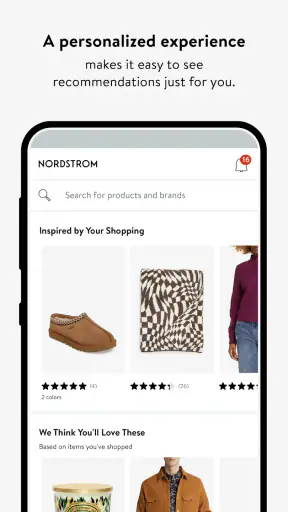
I also found it helpful to treat product browsing as a comparison exercise rather than a race to the first appealing item. I look at several related choices, check whether the differences are meaningful, and ask whether the item fills a genuine gap in my wardrobe. This is a simple habit, but it is one of the app’s less obvious strengths: a large fashion catalog becomes more useful when I use it to reduce uncertainty instead of encouraging endless browsing.
A realistic example is preparing for a weekend trip. I might use the app to compare a versatile pair of shoes with a more formal option, then look at handbags or clothing that work with items I already own. The app is not replacing personal judgement, but it gives me a convenient place to inspect possibilities without visiting several unrelated shopping services.
Another useful approach is to search by the role an item must play. “Something comfortable for repeated wear” is a better internal brief than “something attractive.” Once I have narrowed the choices, I can think about whether the product works with at least two outfits. That kind of decision rule helps protect against buying a visually appealing item that will spend most of its time unused.
Where the app delivers value beyond convenience
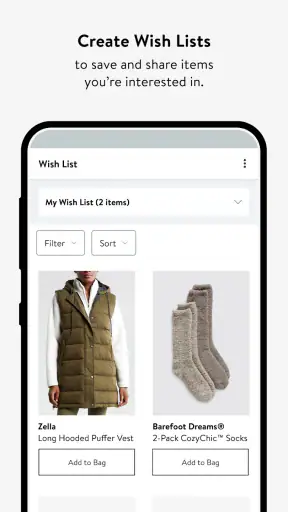
The app’s value is not only that it puts a store on a phone. Its better contribution is the way it supports a more deliberate shopping process. I can browse when I have a few spare minutes, return to a decision later, and compare items without carrying a mental list of every detail. That is particularly useful for fashion, where small differences in color, shape, and styling can change the practical choice.
I also like the separation between discovery and commitment. I can explore an idea without immediately buying it, then revisit the decision after considering my budget and existing wardrobe. This is a healthier pattern than treating every attractive product as an urgent purchase. The app works well as a planning tool when I use it that way.
For gift shopping, the focused catalog can also be helpful. If I know the recipient’s general style or need, I can stay within a recognizable fashion context instead of sorting through unrelated marketplace listings. The limitation is that clothing and accessories are personal choices, so I would be cautious when I do not know the person’s preferred size, colors, or taste.
The app can also support seasonal wardrobe planning. Rather than buying several items at once, I can identify what I am missing, compare alternatives, and decide which purchase has the highest practical value. My advice is to keep a short note of the items already owned before browsing. That makes it easier to spot duplication and turns the app into a planning aid instead of a trigger for unnecessary spending.
Tradeoffs I noticed while using it
The main tradeoff is that a focused fashion catalog can still feel overwhelming when I have no clear starting point. More choice is not automatically better. If I open the app without a purpose, I may spend time comparing small differences that do not matter to my actual needs. Shoppers who prefer a very simple, highly guided experience may find this less efficient than visiting a physical store with a specific item in mind.
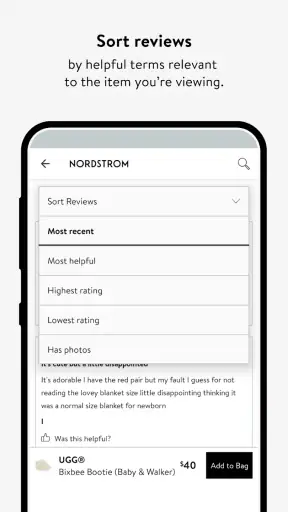
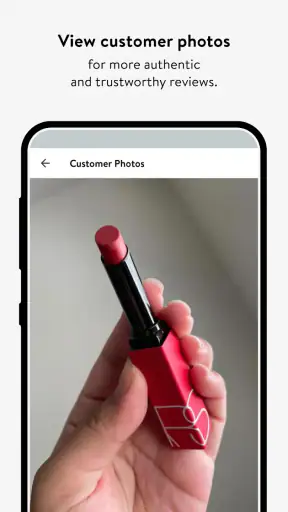
Fashion shopping also has an unavoidable uncertainty that an app cannot remove: an image and description cannot fully reproduce the experience of fabric, weight, fit, or comfort. I can make a more informed choice by examining the available product information carefully, but I should not assume that a promising screen view guarantees a perfect result in real life. This is especially important for shoes and fitted clothing.
That limitation changes the best use case. I am comfortable using the app when I already understand the type of item I need or when I am comparing familiar categories. I am more cautious when the purchase depends heavily on exact fit or when I have never tried a similar style. In those situations, a physical visit or a retailer with a particularly strong fitting process may be a better choice.
Another tradeoff is between convenience and price hunting. Because the app gives me a direct, focused route into Nordstrom’s shopping experience, it can save time. However, a shopper whose first priority is checking every possible seller may prefer a comparison marketplace or a search engine. The app is not the right tool for every shopping strategy, and I would not use it as my only destination when price competition is the central concern.
I also recommend resisting the temptation to judge value by the app’s polished browsing experience alone. A smooth way to discover products can make a purchase feel more justified than it really is. Before buying, I ask three questions: will I use it often, does it solve a real problem, and would I still want it after waiting a little while? Those questions are more reliable than the excitement of scrolling.
Who is likely to get the most from it
I think the app is a strong fit for shoppers who already buy fashion online and want a dedicated place for clothing, shoes, and handbags. It is also useful for people who dislike jumping between several retailer apps when building an outfit or comparing related accessories. The free download makes it easy to test without committing money upfront.
It suits organized shoppers particularly well. If I have a list, a budget, and a clear idea of the occasion, the app can shorten the path from need to shortlist. It is also a reasonable option for someone who prefers browsing from a phone instead of making a separate trip just to see what styles are available.
People who enjoy fashion discovery may appreciate the breadth of a department-store-style catalog, but I would still recommend setting boundaries. A spending limit and a short list of acceptable item types make the experience more useful. Without those limits, discovery can easily become unnecessary consumption.
I would be less enthusiastic about recommending it to someone who wants only the cheapest available product, who prefers secondhand shopping, or who needs extensive personal assistance before choosing a size and fit. Those shoppers may get better results from resale services, price-comparison tools, or an in-person shopping experience. The app is also not ideal for someone who finds browsing catalogs stressful and wants a highly simplified purchase path.
Practical habits that improve the experience
My first tip is to decide the occasion before searching. “Work shoes,” “a practical handbag,” or “a versatile layer” gives the browsing session a useful boundary. My second is to compare an item with what I already own, not only with other products on the screen. This reduces duplicate purchases and makes the value calculation more realistic.
My third tip is to separate research from buying. I often find it useful to make a shortlist, close the app, and return later with a clearer head. That pause is especially helpful when several options look similar. It lets me notice whether I genuinely need one of them or was simply reacting to attractive presentation.
For a time-sensitive purchase, I would start earlier than feels necessary. Mobile browsing is convenient, but it does not eliminate the need to think about fit, suitability, and the practical timing of the purchase. The app is best treated as part of the decision process, not as a guarantee that every shopping problem can be solved instantly.
I would also keep the app updated when possible. The current release, 12.7.0.222, is the version associated with the experience I reviewed, and using the current version is generally the sensible way to avoid missing refinements. The app is rated for Everyone, but that age classification describes suitability of content, not whether every product or purchase decision is appropriate for every household budget.
My recommendation after weighing the value
After using it as a regular fashion-shopping tool, I see Nordstrom as a worthwhile free app for focused browsing and purchase planning. Its value comes from combining a dedicated clothing, shoe, and handbag catalog with the convenience of mobile access. The strong 4.8 average and roughly 1 million-plus installs reinforce the impression that it has found a stable audience, although my recommendation is based more on how well it fits a particular shopping style than on popularity alone.
The best reason to install it is not simply that it is free; it is that the free app can make a considered fashion purchase easier to organize. I would use it when I know the category I need, want to compare several possibilities, or prefer a department-store-focused experience over a general marketplace. I would not use it as my only option when the lowest price, secondhand selection, or hands-on fitting matters more than convenience.
My final verdict is a clear recommendation for deliberate fashion shoppers, occasional gift buyers, and anyone who wants to research clothing, shoes, or handbags from a phone. I would suggest skipping it if browsing tends to lead to impulse spending or if exact fit and personal assistance are essential. For the right user, the free access is genuinely useful; the real test is whether the products selected through it earn their place in the wardrobe.


